Lead-in question: Which detail would be hardest to catch in a broadcast—and why?
Vocabulary
Study the picture clue, guess the term, then flip the card to check the word, its meanings and pronunciation.
Tap to reveal the termgreenhouse effect/ˌɡriːnhaʊs ɪˈfekt/The process by which gases in the atmosphere trap heat near Earth’s surface.hiệu ứng nhà kínhTap to reveal the termcarbon footprint/ˌkɑːbən ˈfʊtprɪnt/The total amount of greenhouse gases attributable to a person, product or activity.dấu chân carbonTap to reveal the termemission/ɪˈmɪʃn/A substance, especially a gas, released into the air as a result of human activity.khí thảiTap to reveal the termrenewable/rɪˈnjuːəbl/Capable of being naturally replenished at least as quickly as it is consumed.có thể tái tạoTap to reveal the termdeforestation/diːˌfɒrɪˈsteɪʃn/The deliberate, large-scale clearance of forests for other forms of land use.nạn phá rừngTap to reveal the termmitigation/ˌmɪtɪˈɡeɪʃn/Action taken to reduce the severity, extent or harmful consequences of a problem.sự giảm nhẹTap to reveal the termunprecedented/ʌnˈpresɪdentɪd/Never having happened, existed or been experienced before.chưa từng có tiền lệTap to reveal the termcatastrophe/kəˈtæstrəfi/A sudden event that causes widespread, severe damage or suffering.thảm họa
Quick check
1. The city plans to replace coal-fired power with wind and solar energy. Which word best describes these sources?
ExplanationRenewable sources are replenished naturally; wind and sunlight are not depleted when electricity is generated.
2. Introducing a carbon levy to discourage fossil-fuel use and cut greenhouse-gas emissions is an example of…
ExplanationMitigation means reducing the causes or severity of climate change; the levy is intended to lower emissions.
3. In the sentence “The heatwave was unprecedented,” the underlined word is closest in meaning to…
ExplanationUnprecedented describes something that has not happened or been recorded before.
4. Which sentence uses carbon footprint correctly?
ExplanationA carbon footprint is the greenhouse-gas impact attributable to a person or activity, so flying less can reduce it.
Signals in the noise
Task 1 · Three practice announcements
Listen to the announcements and choose the best answer for each question.
Announcement 1
Airport weather advisory
Attention all passengers. This is a weather advisory from Tan Son Nhat International Airport. Due to an unprecedented heatwave, with temperatures reaching 42 degrees Celsius, several afternoon flights may be delayed. Passengers are advised to stay hydrated and remain inside the terminal building. Outdoor boarding will be suspended until 5 PM. We apologize for the inconvenience and thank you for your understanding.
Announcement 2
Riverside flood warning
Attention residents of riverside districts. The water level of the Hau River has risen to 4.5 meters, only 30 centimeters below the danger mark. Heavy rain is forecast for the next 48 hours. Residents in low-lying areas should prepare for possible evacuation. Emergency shelters are now open at three primary schools. Please stay tuned for further updates.
Announcement 3
School public-address message
Attention students and teachers. Due to severe air pollution and extreme heat, with the UV index reaching 11, all outdoor activities this afternoon are cancelled, including football practice and the morning exercise session tomorrow. Please stay indoors during breaks and drink plenty of water.
1. The airport temperature reached 42°C.
ExplanationTrue. The advisory explicitly states that temperatures reached 42°C.
2. Outdoor boarding will resume at…
Explanation5 PM. Outdoor boarding is suspended “until 5 PM,” so that is the stated resumption time.
3. The river is 30 cm above the danger mark.
ExplanationFalse. The water is 30 centimetres below, not above, the danger mark.
4. How many emergency shelters are open?
ExplanationThree. The warning says shelters are open at three primary schools.
5. The UV index reached 11.
ExplanationTrue. The school announcement gives 11 as the UV-index reading.
6. Which activity is cancelled tomorrow morning?
ExplanationMorning exercise. Football practice is cancelled that afternoon, while morning exercise is cancelled the following day.
Task 2 · “Climate Watch” classroom bulletin
Evidence from WMO’s State of the Global Climate 2024
Good evening, and welcome to Climate Watch. I’m your host, Mai Lan. According to the World Meteorological Organization, 2024 was the hottest year in the 175-year observational record. Global mean temperature was about 1.55 degrees Celsius above the 1850–1900 average. Each of the ten years from 2015 to 2024 ranked among the ten warmest years on record. Global mean sea level also reached a record high in the satellite record. From 2015 to 2024, sea level rose by an average of 4.7 millimeters per year—more than twice the rate recorded from 1993 to 2002. These global changes matter locally. Low-lying communities must strengthen flood planning, protect freshwater, and reduce emissions. Scientists stress that every fraction of a degree matters. That concludes tonight’s bulletin. Stay informed, stay prepared.
Complete each sentence. Write no more than three words and/or a number taken from the recording.
1
2
3
4
5
6
7
8
Explanation
1 · hottest year: the superlative matches “in the 175-year observational record.”
2 · 1.55°C: the unit is supplied in the sentence, so students enter only 1.55.
3 · 10 years: the unit is supplied, and the inclusive period from 2015 through 2024 contains ten years.
4 · 10: every year in that period entered the ten-warmest ranking.
5 · record high: this describes the sea-level benchmark reached in 2024.
6 · 4.7 mm: the unit is supplied in the sentence, so students enter only 4.7.
7 · more than twice: the recent rate exceeded double the 1993–2002 rate.
8 · flood planning: the speaker names strengthening flood planning as one local response.
Task 3 · “The Local Climate Hour”
A radio interview about the fictional “Cool Routes” pilot
Host: Welcome to The Local Climate Hour. Our focus tonight is Cool Routes, a pilot designed for a coastal district where hotter afternoons and heavier downpours increasingly disrupt daily travel. The proposal combines shaded bus stops, two hundred roadside trees, and a five-kilometre protected cycle lane.
Dr. Linh: It sounds ambitious, but the three elements do not deliver benefits on the same timetable. Shade structures can protect passengers almost immediately. Young trees, by contrast, may need several years before they reduce surface temperatures significantly. The cycle lane could cut short car journeys, but only if it connects homes with schools and markets rather than ending where land is cheapest.
Host: Some residents argue that the budget should go entirely to flood drainage. Is Cool Routes a distraction?
Dr. Linh: That is a false choice. Transport and drainage planning can reinforce each other. Permeable paving beside the cycle lane can absorb rainwater, while tree pits can temporarily hold runoff. However, neither measure replaces larger drains in the most flood-prone streets. The pilot should therefore begin where heat exposure is high but flood depth remains manageable.
Host: The council predicts that weekly car trips could fall by twelve per cent. Do you find that convincing?
Dr. Linh: I would call it a target, not a forecast. Behaviour depends on safety, continuity, and convenience. If cyclists are forced into traffic at major junctions, many families will keep using motorbikes or cars. The council should publish monthly usage data and ask residents why they do, or do not, change their journeys.
Host: So how should success be judged after the first year?
Dr. Linh: Not by the number of trees planted or kilometres painted. Those are outputs. Success means cooler waiting areas, fewer short car trips, safer journeys, and less standing water after heavy rain. A credible review should report both the gains and the groups who have not benefited.
Host: A useful reminder that climate policy is not just about visible projects, but about measurable outcomes. This has been The Local Climate Hour.
Listen and choose the best answer.
1. What is Dr. Linh’s main reservation about the three-part proposal?
ExplanationIts benefits will emerge at different speeds. Shade works almost immediately, whereas young trees need years to cool the area significantly.
2. According to Dr. Linh, when is the cycle lane most likely to reduce car use?
ExplanationA continuous route to everyday destinations makes cycling practical; a disconnected lane is unlikely to change family travel habits.
3. By calling the drainage argument “a false choice”, Dr. Linh implies that…
ExplanationTransport and flood measures can support one another: permeable paving and tree pits can manage runoff alongside mobility improvements.
4. How does Dr. Linh interpret the predicted 12% fall in weekly car trips?
ExplanationIt is a target, not a forecast. Actual behaviour will depend on safety, continuity and convenience, so usage data are still needed.
5. Which measure would Dr. Linh regard as an outcome rather than an output?
ExplanationLess standing water is a real-world change produced by the project; tree and lane counts merely record what was installed.
6. Which best describes the speaker’s overall attitude to Cool Routes?
ExplanationCautiously supportive. Dr. Linh recognises the pilot’s potential but repeatedly qualifies it with design, location and evaluation conditions.
Source for bulletin figures: World Meteorological Organization. The three short announcements and “The Local Climate Hour” interview are original classroom practice scripts.
Climate Response Council
Turn listening evidence into a practical decision for your school community.
Scenario
One budget. One priority.
Your school is preparing for hotter afternoons, heavier rain and rising energy use. The student council can fund one initiative this term.
Your mission: agree on the option with the strongest impact, then defend it with evidence.
A · Heat-safe timetable
Move outdoor activities and redesign shaded waiting areas.
B · Flood-ready campus
Add permeable surfaces, rain gardens and clearer warning routes.
C · Clean commute
Create safer cycling access and a car-free school morning.
D · Solar classrooms
Reduce electricity emissions through rooftop solar power.
Language bank
“The evidence points to…”
“Its immediate benefit would be…”
“This option is the strongest because…”
“Success should be measured by…”
Suggested answers
A · Heat-safe timetable: Our priority is a heat-safe timetable because extreme heat and a UV index of 11 can make outdoor activity unsafe. Moving activities and improving shaded waiting areas would protect students immediately.
B · Flood-ready campus: The evidence points to heavier rain and rising flood risk. Permeable surfaces and rain gardens could absorb runoff and reduce standing water in areas where water regularly collects.
C · Clean commute: A safer, continuous cycling route could reduce short car journeys and emissions. The interview shows that access must link homes, school and nearby markets if it is to change behaviour.
D · Solar classrooms: Rooftop solar would reduce electricity-related emissions and lower the school’s carbon footprint. Success could be measured by electricity generated and emissions avoided.
Homework
Write a short paragraph of 150–180 words on the following topic:
“What can Vietnamese youth do to slow down global warming?”
Next lesson
Speaking: “Ecosystem” — explaining situations and giving instructions.
12A1 · Random student picker
Who answers next?
Ready
Students already called are excluded for this viewing session. Tap a name below to return it to the pool.

 Tap to reveal the termgreenhouse effect/ˌɡriːnhaʊs ɪˈfekt/The process by which gases in the atmosphere trap heat near Earth’s surface.hiệu ứng nhà kính
 Tap to reveal the termcarbon footprint/ˌkɑːbən ˈfʊtprɪnt/The total amount of greenhouse gases attributable to a person, product or activity.dấu chân carbon
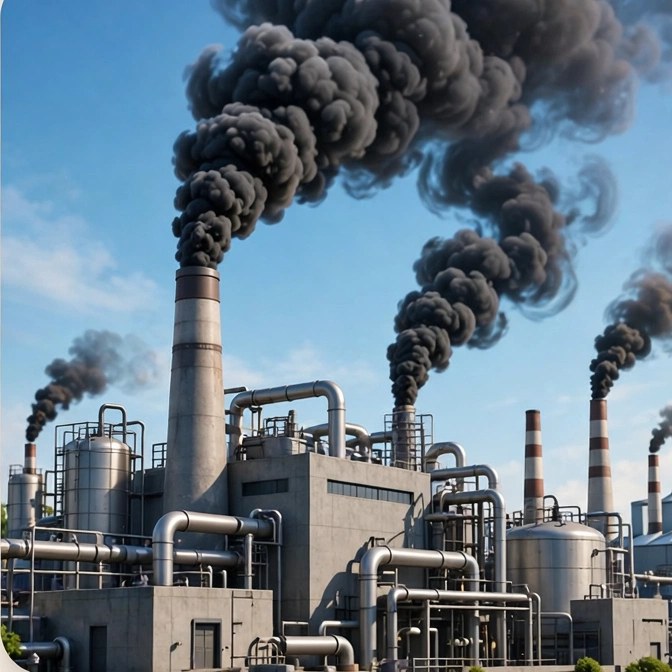 Tap to reveal the termemission/ɪˈmɪʃn/A substance, especially a gas, released into the air as a result of human activity.khí thải
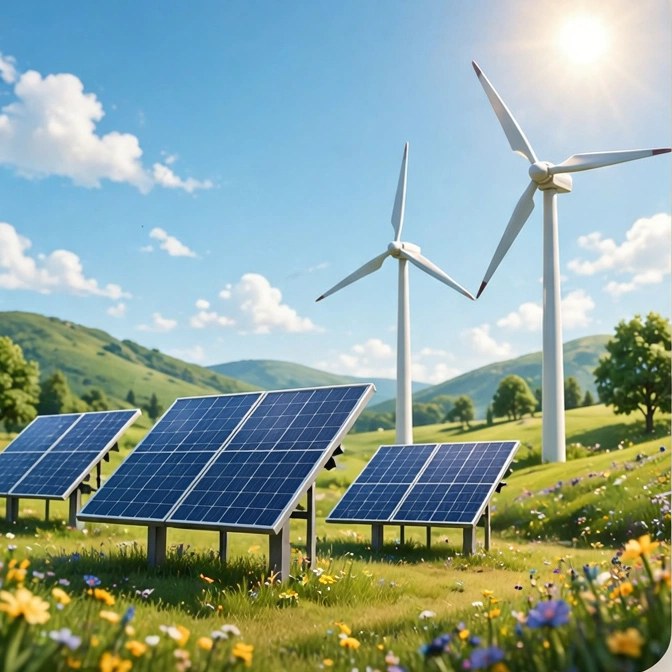 Tap to reveal the termrenewable/rɪˈnjuːəbl/Capable of being naturally replenished at least as quickly as it is consumed.có thể tái tạo
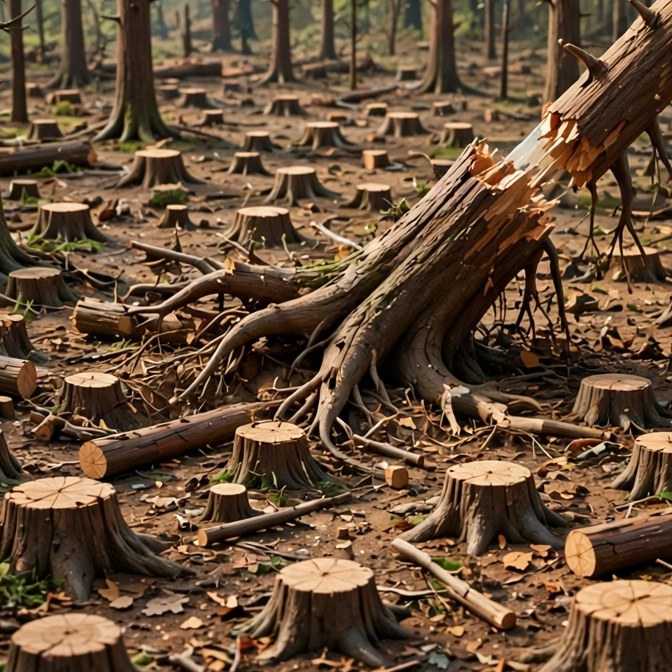 Tap to reveal the termdeforestation/diːˌfɒrɪˈsteɪʃn/The deliberate, large-scale clearance of forests for other forms of land use.nạn phá rừng
 Tap to reveal the termmitigation/ˌmɪtɪˈɡeɪʃn/Action taken to reduce the severity, extent or harmful consequences of a problem.sự giảm nhẹ
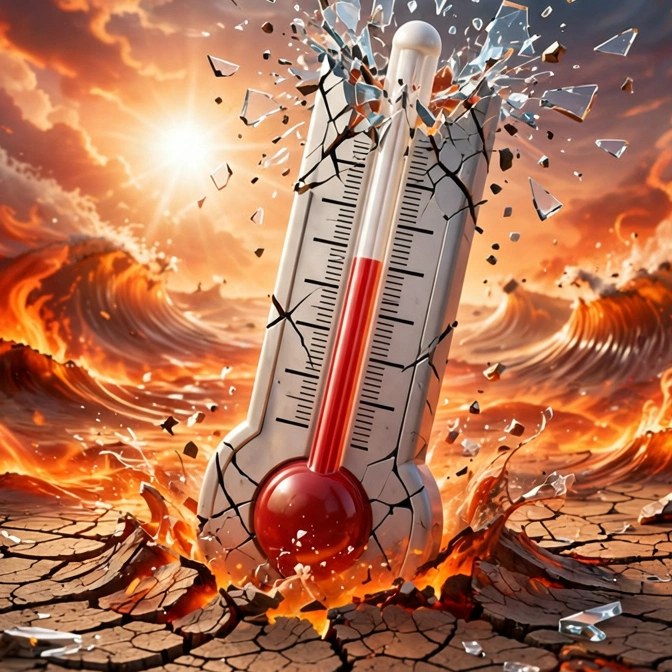 Tap to reveal the termunprecedented/ʌnˈpresɪdentɪd/Never having happened, existed or been experienced before.chưa từng có tiền lệ
 Tap to reveal the termcatastrophe/kəˈtæstrəfi/A sudden event that causes widespread, severe damage or suffering.thảm họa